
The living room is often one of the most important spaces in a home. It is where people gather, relax, entertain guests, watch movies, read, and spend time together. Because of this, a well-designed living room needs to be more than attractive. It should feel comfortable, functional, balanced, and welcoming.
Creating a beautiful living room does not necessarily require completely replacing your furniture or spending a large amount of money. Often, the biggest difference comes from how existing pieces are arranged and how color, texture, lighting, wall décor, and decorative accents work together.
The art of living room styling is about finding the right balance between practicality and personality. A room should feel thoughtfully designed without looking overly decorated. With a few intentional choices, you can transform an ordinary space into a polished and inviting area that reflects your personal style.
Start With the Furniture Arrangement
Furniture placement is one of the most important elements of living room design. Even beautiful furniture can look out of place if it is arranged without considering the room’s size, shape, and purpose.
Begin by identifying the main purpose of your living room. If the space is primarily used for conversations, arrange seating so that chairs and sofas face one another. If watching television is the main activity, position the seating toward the screen while still keeping the room comfortable for conversation.
Avoid automatically pushing every piece of furniture against the walls. Depending on the size of the room, bringing furniture slightly away from the walls can create a more intentional seating area and make the room feel connected.
Think about traffic flow as well. People should be able to move through the room without constantly walking around furniture.
A balanced arrangement usually includes a clear focal point and enough open space to make the room easy to navigate.
Create a Comfortable Conversation Area
A living room should encourage people to sit down and spend time together.
Arrange your main seating pieces so they feel connected. A sofa can be paired with one or two accent chairs, while a loveseat can create a smaller conversation area in compact rooms.
The distance between seating and the coffee table should also be comfortable. People should be able to reach the table without feeling cramped, but the table should not be so far away that it becomes difficult to use.
If you have a large living room, consider creating multiple zones. One area could be dedicated to conversation, while another corner could include a reading chair, small table, or workspace.
Dividing a large room into functional areas can make it feel more organized and inviting.
Choose a Color Palette
Color establishes the mood of a living room.
Neutral shades such as cream, beige, taupe, gray, and soft white can create a calm foundation. These colors are particularly versatile because they work well with different decorating styles and allow accent colors to stand out.
For a more dramatic living room, consider incorporating deeper shades such as navy, forest green, charcoal, brown, or burgundy.
You do not need to use the same color everywhere. Instead, select a primary color and then introduce complementary shades through pillows, artwork, rugs, curtains, and decorative accessories.
Repeating a color in several areas of the room helps create visual cohesion.
For example, a muted blue might appear in an area rug, a few decorative pillows, and a piece of artwork. The repetition makes those separate elements feel connected.
Layer Textures for Depth
Color is only one part of creating visual interest. Texture can make a living room feel significantly more comfortable and sophisticated.
Try combining several different materials throughout the space. A smooth coffee table can contrast with a soft rug. A leather sofa can be paired with woven pillows and a cozy throw blanket. Wood furniture can add warmth alongside glass or metal accents.
Some textures to consider include:
- Linen
- Velvet
- Cotton
- Wool
- Woven fibers
- Wood
- Glass
- Metal
- Ceramic
- Natural stone
The goal is not to use every material available. Instead, choose several textures that complement one another.
A room with a variety of textures can feel layered and interesting even when the color palette is relatively simple.
Use an Area Rug to Define the Space
An area rug can help visually anchor a living room and bring the furniture arrangement together.
A rug that is too small can make furniture appear disconnected. Whenever possible, choose a size that allows at least the front legs of major seating pieces to sit on the rug.
The rug can also introduce color and texture. If your furniture is neutral, a patterned rug can provide visual interest. If your furniture already includes several patterns, a simpler rug may create better balance.
When selecting a rug, consider both appearance and practicality. Living rooms receive plenty of everyday use, so choose a material and pattern that work for your lifestyle.
Build a Strong Focal Point
Every living room benefits from having something that naturally draws the eye.
A focal point might be a fireplace, large window, television, statement artwork, accent wall, or distinctive piece of furniture.
Once you determine the focal point, arrange the rest of the room to support it.
For example, a large piece of artwork above a sofa can become the visual centerpiece. A fireplace can anchor a seating arrangement. A dramatic light fixture can draw attention upward and make the room feel more finished.
Having one primary focal point helps prevent the room from feeling visually chaotic.
Layer Your Lighting
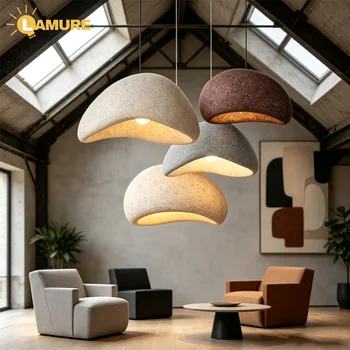
Lighting is essential to successful living room styling. A single ceiling fixture rarely provides enough variety for a room that serves multiple purposes.
Instead, use several types of lighting.
Ambient lighting provides general illumination. This might come from a ceiling fixture, chandelier, or recessed lights.
Task lighting is useful for specific activities. Floor lamps and table lamps can provide focused light for reading or working.
Accent lighting can highlight artwork, shelving, architectural features, or decorative objects.
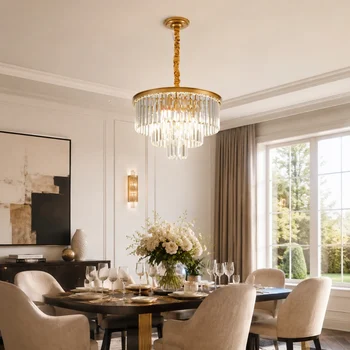
Decorative lighting can also become part of the room’s style. A sculptural floor lamp or attractive chandelier can function as a design feature even when it is turned off.
Using multiple light sources allows you to adjust the atmosphere depending on the time of day and activity.
Add Wall Décor
Empty walls can make a living room feel unfinished, but covering every wall can make it feel cluttered.
Choose wall décor based on the size and layout of the room.
A large piece of artwork can create a strong statement above a sofa or console. A gallery wall can add personality while allowing you to combine photographs, artwork, and decorative pieces.
Mirrors are another useful option. They can add style while reflecting light and making a room appear more spacious.
When arranging wall décor, consider scale. A tiny piece of artwork above a large sofa may feel lost, while an oversized piece can create a more dramatic appearance.
The goal is to make the artwork feel proportional to the furniture and surrounding space.
Style the Coffee Table
The coffee table is one of the most visible surfaces in a living room, making it an excellent place to add decorative details.
However, it is also a functional surface, so leave enough space for drinks, books, and everyday use.
A simple arrangement might include a decorative tray, a stack of books, a small vase, and one sculptural object.
Varying the height of objects can make the arrangement more visually interesting. You can also use a tray to group smaller accessories together, making the overall display look more organized.
Remember that the coffee table does not need to be completely covered. Leaving some open space creates a cleaner appearance.
Incorporate Decorative Accents
Decorative accents give a living room its personality.
Pillows, throws, vases, candles, baskets, sculptures, books, trays, and other accessories can help bring the overall design together.
Instead of buying accessories individually without considering the room as a whole, look for pieces that repeat existing colors, textures, or materials.
For example, if your room features warm wood furniture, consider adding a wooden decorative bowl or frame. If brass appears in your lighting, a small brass accent elsewhere can create continuity.
This type of repetition makes a room feel intentionally styled.
Mix Patterns Carefully
Patterns can add personality, but too many competing patterns can make a living room feel busy.
If you want to incorporate patterns, start with one dominant pattern and then add smaller or simpler patterns around it.
For example, a patterned area rug could become the primary visual pattern, while pillows use smaller designs that complement the rug.
Stripes, geometric patterns, botanical designs, and subtle textures can all work together when they share similar colors.
The key is coordination rather than perfect matching.
Bring in Natural Elements
Natural materials and greenery can make a living room feel warmer and more inviting.
Houseplants can add color and soften the appearance of furniture and hard surfaces. A large plant can fill an empty corner, while smaller plants can be placed on shelves or side tables.
Wood, woven materials, stone, and natural fibers can also bring warmth to the room.
These elements work particularly well in neutral spaces because they add character without overwhelming the color palette.
Avoid Overcrowding the Room
One of the most common living room decorating mistakes is trying to fill every available space.
A room needs breathing room.
If every table has multiple accessories, every wall has artwork, and every corner contains furniture, the space can quickly feel cluttered.
Instead, select pieces that have a purpose or contribute meaningfully to the design.
Open space is not wasted space. It allows furniture, artwork, and decorative accents to stand out.
A carefully edited room often looks more polished than a room filled with decorations.
Balance Different Heights
Visual balance is not only about color and furniture placement. Height also matters.
If every object in a room is approximately the same height, the design can appear flat.
Mix low, medium, and tall elements. A low coffee table can be balanced with taller floor lamps. A low sofa can be paired with tall curtains or a large piece of wall art.
Shelving provides another opportunity to create height variation by combining stacked books, taller vases, framed artwork, and smaller accessories.
These differences create movement and keep the eye traveling around the room.
Make the Room Feel Personal
A stylish living room should still feel like it belongs to the people who live there.
Personal photographs, favorite books, travel souvenirs, artwork, collections, or meaningful decorative pieces can give the room character.
You do not have to choose between a polished interior and a personal space. The best living room styling combines both.
Use personal items selectively so they become intentional parts of the décor rather than visual clutter.
Refresh Your Living Room Gradually
You do not need to redesign the entire room in one weekend.
Start by rearranging the furniture. Then evaluate the lighting, rug, wall décor, and decorative accessories.
Sometimes a small change can have a surprisingly large impact.
Moving a sofa can improve the room’s flow. Adding a floor lamp can create a cozy reading area. Changing a few pillows can introduce a new color. Replacing cluttered accessories with a few carefully chosen pieces can make the entire space feel more sophisticated.
Taking your time also allows you to discover what your living room actually needs rather than buying items simply to fill empty spaces.
Putting It All Together
Great living room styling is about balance. Furniture should be comfortable and arranged with purpose. Colors should complement one another. Textures should add depth. Lighting should be layered. Wall décor should provide personality without overwhelming the room, and decorative accents should make the space feel finished without creating clutter.
Whether your style is modern, traditional, contemporary, cozy, minimalist, or luxurious, the same basic principles can help create a room that feels intentional and welcoming.
Start with the layout, establish a cohesive color palette, add texture, introduce layers of lighting, and finish with artwork and decorative details. Most importantly, create a space that works for the way you actually live.
When every element has a purpose and the pieces work together visually, your living room can become more than a decorated space. It can become a comfortable, inviting centerpiece of your home.


0 Comments