
A luxurious home does not have to be filled with expensive furniture, oversized chandeliers, or designer accessories. In many cases, a polished and elevated interior comes down to thoughtful choices, balanced design, and attention to detail. The right combination of color, texture, lighting, artwork, furniture placement, and decorative accents can make an ordinary room feel sophisticated and inviting.
Luxury home decor is less about how much you spend and more about how you bring individual elements together. A carefully selected color palette, layered lighting, quality-looking textures, and intentional furniture arrangement can create a home that feels comfortable while still having an upscale appearance.
Whether you are refreshing one room or updating your entire home, these elegant home design ideas can help you create a more refined space.
Start With a Sophisticated Color Palette
Color is one of the easiest ways to establish the mood of a room. A luxurious interior often begins with a calm, cohesive color palette rather than a collection of unrelated shades.
Neutral colors such as warm white, cream, beige, taupe, soft gray, and greige can create an elegant foundation. These colors work especially well for walls and larger pieces of furniture because they allow decorative details to stand out without making the room feel overly busy.
However, luxury does not mean everything needs to be neutral. Deeper colors can add richness and personality. Navy blue, forest green, charcoal, chocolate brown, burgundy, and other sophisticated shades can be incorporated through accent walls, curtains, pillows, rugs, or artwork.
Metallic accents can also add visual interest. Gold, brass, bronze, and silver details can make a room feel more finished when used in moderation.
The key is consistency. Choose a primary color, one or two supporting shades, and a few accent colors. Repeating these colors throughout the room creates a coordinated look that feels intentional.
Layer Different Textures
Texture is an important part of upscale interiors because it adds depth without requiring a lot of color.
Imagine a room with a neutral sofa, smooth flooring, plain walls, and only a few hard surfaces. Even if the furniture is attractive, the room may feel somewhat flat. Adding different textures immediately creates more dimension.
Consider combining materials such as:
- Soft throw blankets
- Decorative pillows
- Plush area rugs
- Velvet or linen upholstery
- Wood furniture
- Glass accents
- Metal finishes
- Woven baskets
- Textured wall decor
- Ceramic or stone accessories
The goal is to create contrast. A smooth glass table can look beautiful next to a textured rug. A sleek metal lamp can complement a soft upholstered chair. A wooden console can provide warmth against a lighter wall.
When different textures are layered carefully, the room can feel both luxurious and comfortable.
Use Lighting to Set the Mood
Lighting can completely change the appearance of a room. Even beautifully decorated spaces can feel unfinished if they rely on a single overhead light.
Instead, think about lighting in layers.
Ambient lighting provides general illumination throughout the room. Ceiling fixtures, chandeliers, and recessed lighting are common examples.
Task lighting is used for specific activities. Desk lamps, reading lamps, and under-cabinet lighting can provide focused illumination where it is needed.
Accent lighting highlights specific features. Wall sconces, picture lights, and strategically positioned lamps can draw attention to artwork, architectural details, shelves, or decorative displays.
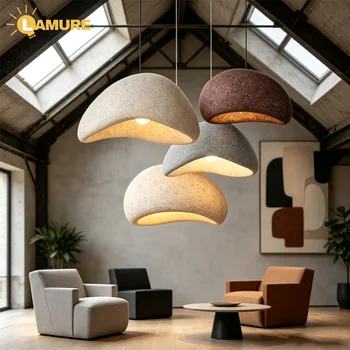
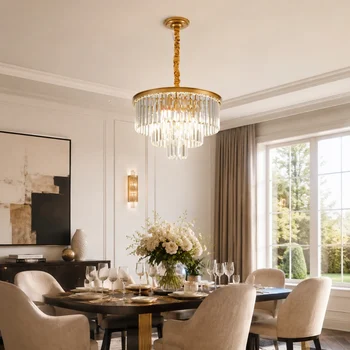
Decorative lighting can also become part of the room’s design. A statement chandelier or sculptural table lamp can function as both a light source and a focal point.
Warm lighting often works especially well for creating an inviting atmosphere. Consider using bulbs with a warmer color temperature in living rooms, bedrooms, and dining spaces where you want a relaxed feeling.
Choose Furniture With Intention
Furniture placement can make a major difference in how polished a room feels.
One common mistake is pushing every piece of furniture against the walls. While this may seem like the easiest way to create more open floor space, it can make a room feel disconnected.
Instead, arrange furniture around conversation areas and focal points. In a living room, for example, sofas and chairs can be positioned toward one another rather than simply facing the television.
Allow enough space for people to move comfortably through the room. A luxurious interior should feel spacious and functional rather than crowded with furniture.
Scale is also important. Large rooms often benefit from substantial furniture pieces, while smaller spaces may need furniture with a lighter visual footprint.
Rather than filling every available space, select pieces that serve a purpose and contribute to the overall design.
Create a Strong Focal Point
A well-designed room usually has something that immediately attracts attention.
A focal point might be:
- A large piece of artwork
- A fireplace
- A statement light fixture
- An accent wall
- A beautiful coffee table
- A dramatic mirror
- A large window with an attractive view
- A carefully styled console
Once you identify the focal point, arrange other elements so they support it instead of competing with it.
For example, if a large piece of artwork is the centerpiece of a living room, keep surrounding accessories relatively simple. This gives the eye somewhere to focus and prevents the room from feeling visually cluttered.
Incorporate Artwork
Artwork is one of the easiest ways to give a home personality while creating a more sophisticated appearance.
Large-scale artwork can make a particularly strong statement. Instead of covering every wall with small pieces, consider selecting one or two larger works that complement the room’s color palette.
Artwork does not have to match your furniture perfectly. In fact, pieces with contrasting colors or styles can make a room feel more interesting.
You can also create a gallery wall using photographs, prints, paintings, or decorative pieces. Keep the spacing and framing relatively consistent to maintain a cohesive appearance.
When hanging artwork, pay attention to placement. Pieces that are too high can make a room feel disconnected, while artwork positioned at a comfortable viewing height tends to feel more balanced.
Add Mirrors for Style and Light
Mirrors can serve both decorative and practical purposes.
A large mirror can make a room appear more open while reflecting natural or artificial light. This can be especially helpful in smaller rooms or areas that do not receive much natural sunlight.
Consider placing a mirror across from a window to reflect daylight or using one above a console table to create an attractive entryway display.
The frame itself can also contribute to the design. A simple black frame can create a modern look, while brass, gold, wood, or ornate frames can create different styles.
Choose a mirror based on the overall design of the room rather than treating it as an afterthought.
Pay Attention to Decorative Accents
Decorative accents are where a room’s personality really comes through.
A few carefully selected accessories can make a significant difference. Consider adding decorative trays, vases, candles, books, sculptures, bowls, picture frames, or other objects that complement the space.
The important part is not to overdecorate.
Luxury home styling often depends on restraint. Instead of placing something on every surface, leave some areas open. Empty space gives decorative pieces more impact and helps the room feel organized.
Try grouping accessories in odd numbers, such as three objects of varying heights. This can create a more natural and visually appealing arrangement.
Use Greenery and Natural Elements
Plants and natural materials can soften an otherwise formal interior.
A large indoor plant can add height to an empty corner, while smaller plants can bring life to shelves, tables, or countertops. If maintaining live plants is difficult, high-quality artificial greenery can provide a similar visual effect.
Natural materials such as wood, stone, rattan, linen, and woven fibers can also make an upscale room feel warmer.
This balance between polished and natural elements is important. Too many sleek surfaces can make a room feel cold, while natural textures can make it feel more welcoming.
Style Shelves and Tables Carefully
Open shelving, bookcases, coffee tables, and consoles provide opportunities to add decorative personality.
Instead of filling every shelf, create groupings with different heights and shapes. Stack a few books horizontally and place a decorative object on top. Add a vase beside a framed photograph or combine a sculptural object with a small plant.
For coffee tables, consider creating a simple centerpiece using a tray, books, a decorative bowl, or a vase.
The goal is to create visual interest without creating clutter.
Keep Clutter Under Control
One of the simplest ways to make a home look more luxurious is to reduce visible clutter.
A beautifully decorated room can quickly lose its polished appearance when countertops, tables, and floors become overloaded with everyday items.
Use attractive storage solutions to keep frequently used belongings organized. Decorative baskets, storage ottomans, cabinets, and boxes can help maintain a cleaner appearance while still keeping necessities accessible.
Luxury interior design often benefits from the principle of “less, but better.” Choose fewer items that have a purpose or add visual value.
Create Cohesion Throughout the Home
A luxurious home does not need every room to look identical. However, there should be some connection between spaces.
Repeating certain colors, materials, finishes, or design elements can help the entire home feel cohesive.
For example, if your living room uses warm wood and brass accents, similar finishes can appear in the dining room or entryway. This creates continuity without making every space look like a copy of the previous room.
Think of the home as one connected design rather than a collection of completely separate rooms.
Focus on the Details
Small details can have a surprisingly large impact on the overall appearance of a home.
Consider upgrading simple elements such as cabinet hardware, drawer pulls, curtain rods, light fixtures, decorative frames, or switch plates. Coordinated finishes can make a room feel more intentional.
Window treatments are another detail worth considering. Curtains that extend closer to the ceiling and reach the floor can create the appearance of taller windows and add softness to a room.
Even the way pillows and throws are arranged can affect the overall presentation.
These small choices may not seem significant individually, but together they contribute to a more polished home.
Make Comfort Part of the Design
An elegant home should still feel comfortable.
Luxury is not simply about creating a room that looks impressive. It is also about creating an environment where people want to spend time.
Choose seating that is comfortable, fabrics that feel pleasant, and lighting that works for the way you actually use the room.
A beautifully styled living room that nobody wants to sit in is not serving its purpose.
Combine sophistication with practicality by choosing pieces that look beautiful while supporting everyday life.
Build Your Own Luxurious Style
Creating a luxurious home look does not require replacing everything at once. Start with the areas that make the biggest visual difference.
A new lighting fixture can transform a room. A large rug can define a seating area. Fresh artwork can create a focal point. Coordinated decorative accents can bring a room together. Even rearranging existing furniture can improve the overall flow.
The most successful home styling projects are usually built gradually. Pay attention to what works in your space, experiment with different arrangements, and focus on quality, balance, and cohesion.
Most importantly, let your personality remain part of the design. An elegant home should still feel like your home.
By combining thoughtful color choices, layered textures, effective lighting, intentional furniture placement, artwork, natural elements, and carefully selected accents, you can create an interior that feels refined without feeling overly formal. With a little planning and attention to detail, everyday spaces can become more polished, inviting, and sophisticated.


0 Comments