
A beautiful home does not have to look exactly the same from room to room. In fact, the most inviting homes often have spaces that feel distinct while still working together as part of one overall design. Creating that balance is the key to cohesive home design.
A cohesive home has visual connections that carry from one space to another. These connections can come from a consistent color palette, repeating materials, complementary textures, similar lighting styles, or decorative elements that create a sense of continuity. At the same time, each room can have its own personality, function, and character.
Whether you are decorating a new home or refreshing your existing space, thinking about the entire home as one design story can make your decorating decisions easier. Instead of choosing each item independently, you can look at how colors, finishes, furniture, and accessories work together throughout the house.
Start With a Whole-Home Color Palette
Color is one of the easiest ways to connect different rooms. You do not need to paint every room the same color, but choosing a core palette can help the spaces feel related.
Start with two or three primary colors that you enjoy. These can become the foundation for your home. For example, a combination of warm neutrals, soft greens, and natural wood tones can create a relaxed and sophisticated atmosphere. A palette of cream, charcoal, navy, and brass can create a more polished and dramatic look.
Once you have your main colors, use variations of them throughout the home.
A color that appears on a living room accent chair might show up as a decorative pillow in the bedroom. A shade used in the kitchen accessories could appear in artwork in the hallway. These small connections are enough to make the rooms feel related without making them identical.
Use Accent Colors Carefully
Accent colors are particularly useful for creating continuity. Instead of introducing completely different colors in every room, choose a few shades that can appear throughout the house in different ways.
For example:
- Use green in a living room through pillows and plants.
- Bring the same green into the dining area through artwork.
- Add a subtle green accessory to the bedroom.
- Use a deeper variation of the shade in a bathroom.
This approach creates visual connections while allowing each space to have its own style.
Repeat Materials Throughout the Home
Materials can be just as important as color when creating a cohesive interior. Repeating materials throughout different rooms creates subtle visual consistency.
Wood is a great example. If your living room features natural wood furniture, consider bringing wood tones into the dining area, bedroom, or entryway. The pieces do not need to match exactly. Similar finishes, tones, or grain patterns can create a connection.
Other materials that can be repeated include:
- Natural stone
- Glass
- Metal
- Woven fibers
- Ceramic
- Marble
- Leather
- Rattan
- Linen
The goal is not to use every material everywhere. Instead, choose a handful of finishes that help define the overall personality of your home.
For a warm and inviting interior, natural wood, woven textures, linen, and ceramic can work beautifully together. For a more sophisticated look, glass, metal, stone, and polished finishes may create the right atmosphere.
Create Consistency With Textures
Texture adds depth and personality to a room, but it can also help connect different spaces.
Imagine a home where one room features soft linen, another uses velvet, another has woven baskets, and another has plush rugs. While these rooms may have different furniture and colors, they can still feel connected when similar textures appear throughout the home.
You can repeat textures without repeating exact products.
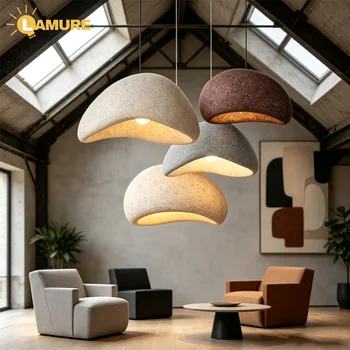
A woven basket in the living room could be complemented by a woven pendant light in the dining room. A velvet accent chair might coordinate with velvet pillows in a bedroom. A soft area rug can introduce a comfortable texture that is echoed by curtains or upholstered furniture elsewhere.
Layering different textures also prevents a cohesive home from feeling boring. Mixing smooth, soft, rough, natural, and polished surfaces creates visual interest.
Choose a Consistent Decorating Style
Your home does not have to follow one strict decorating style, but having an overall direction can make your rooms feel more connected.
For example, if you love modern interiors, you might focus on clean lines, simple furniture, neutral colors, and carefully selected decorative accents. If you prefer a more traditional look, you may lean toward classic furniture shapes, warm colors, elegant accessories, and timeless materials.
You can also combine styles. Modern farmhouse, transitional, contemporary, coastal, and organic modern interiors can all incorporate multiple influences.
The important thing is to establish a common design language.
If one room is highly minimalist while another is filled with ornate furniture and completely unrelated colors, the transition may feel abrupt. Instead, find elements that can bridge those differences.
A contemporary living room can transition into a more traditional dining room when both share similar wood tones, complementary colors, or related decorative materials.
Think About Lighting as a Whole-Home Element
Lighting is often overlooked when planning whole home decorating, but it can make a major difference in how connected your spaces feel.
Start by thinking about the overall warmth and atmosphere you want throughout the home. Then select lighting fixtures and bulbs that support that feeling.
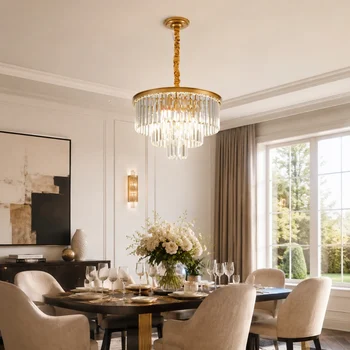
You do not need identical light fixtures in every room. Instead, look for similarities in finish, shape, or style.
For example, if your kitchen has brass lighting fixtures, you might incorporate brass accents into a hallway fixture or bedroom lamp. If black metal is used in the dining room, it could appear again in living room floor lamps or bathroom hardware.
Layered lighting can also create consistency. Consider a combination of:
- Ceiling lighting
- Pendant lights
- Table lamps
- Floor lamps
- Wall sconces
- Accent lighting
Using several types of lighting gives each room flexibility while maintaining a similar atmosphere throughout the home.
Use Flooring to Connect Spaces
Flooring can naturally create continuity between rooms, particularly in open-concept homes.
When possible, carrying the same flooring material through connected areas can make a home feel larger and more unified. Hardwood, luxury vinyl, tile, or other continuous flooring options can visually connect spaces.
If different flooring materials are necessary, choose options that complement one another.
For example, warm wood flooring can pair well with neutral tile. The goal is to avoid flooring transitions that feel completely unrelated to the rest of the home.
Area rugs can also help connect spaces. Rugs can introduce colors and textures that repeat throughout your decorating scheme while defining individual areas.
Let Each Room Have Its Own Personality
Creating a cohesive home does not mean every room should look the same.
In fact, giving each room its own character is what makes a home feel personal.
The living room might have a relaxed and comfortable atmosphere, while the dining room feels more sophisticated. A bedroom can be calm and cozy, while a home office can be more energetic and functional.
The trick is to maintain a few shared elements between them.
For example, your living room might use neutral walls, warm wood, and black accents. The dining room can use the same basic palette but introduce a dramatic light fixture. The bedroom can use the same wood tones and black accents while incorporating softer fabrics and more muted colors.
The rooms feel different, but they still belong to the same home.
Connect Rooms With Decorative Accessories
Accessories are one of the easiest ways to create subtle design connections.
Decorative objects such as vases, lamps, mirrors, artwork, trays, candles, baskets, and sculptures can repeat colors and materials throughout your home.
You do not need to purchase matching sets. In fact, too many matching accessories can make a home feel staged.
Instead, look for relationships.
A ceramic vase in the living room could complement ceramic accessories in the dining area. Similar picture frames could appear in different rooms. A particular metal finish could repeat across lighting, furniture hardware, and decorative accents.
These small details create a polished appearance without requiring a complete redesign.
Use Artwork to Tie Spaces Together
Artwork can give rooms personality while also helping establish a consistent design theme.
You can use similar colors, subject matter, framing, or artistic styles throughout your home. For example, a home with a neutral color palette might feature artwork with soft earth tones in several rooms.
The artwork does not have to match. It simply needs to feel like it belongs within the same visual story.
Gallery walls are another way to create personality while incorporating recurring colors and frames. A hallway, staircase, living room, or bedroom can become a natural place to display artwork that connects different areas of the home.
Pay Attention to Transitions Between Rooms
Some of the most important areas in interior design ideas are the spaces between rooms.
Hallways, entryways, staircases, and open doorways are where one room visually meets another. These transitional areas can help create a smooth flow throughout the home.
Use them to repeat colors, materials, or accessories.
For example, if your living room uses warm beige and natural wood, an entryway console with a similar wood tone and a beige decorative accent can create a subtle transition. A hallway runner can also incorporate colors found in nearby rooms.
These details may seem small, but they help prevent rooms from feeling disconnected.
Create Balance With Repetition
Repetition is one of the most useful principles in home styling. When certain elements appear multiple times throughout your home, the eye naturally recognizes the connection.
You can repeat:
- Colors
- Materials
- Shapes
- Patterns
- Metals
- Textures
- Furniture styles
- Decorative themes
For example, rounded shapes can become a subtle theme. A round coffee table might be paired with a circular mirror, rounded lighting fixture, and curved accent chair elsewhere in the home.
The objects do not need to match. Repeating a design characteristic is enough.
Avoid Making Everything Match
One of the biggest mistakes when creating a cohesive home is assuming that everything needs to coordinate perfectly.
Too much matching can make a home feel predictable and lack personality.
Instead, aim for harmony.
Think about how different pieces relate to one another rather than whether they match exactly. A modern sofa can work with a vintage-inspired side table. A contemporary light fixture can complement traditional furniture. Different wood tones can work together when balanced with consistent colors and textures.
This approach creates a more collected and sophisticated look.
Consider the View From One Room to Another
When decorating, pay attention to what you can see from nearby spaces.
Stand in your hallway and look into the living room. Sit at the dining table and look toward the kitchen. Stand near the entryway and consider what guests see when they first walk into your home.
These viewpoints can reveal colors, furniture, or accessories that appear disconnected.
If you notice a room that feels completely different, you do not necessarily need to redesign it. Adding one or two connecting elements may be enough.
A pillow, artwork, vase, rug, or accent color can create the visual bridge you need.
Build a Home That Feels Connected and Personal
A cohesive home is not about following a strict decorating formula. It is about creating relationships between the different spaces.
Consistent colors can establish a foundation. Repeated materials can create continuity. Layered textures can add depth. Coordinated lighting can establish atmosphere. Artwork and accessories can add personality while repeating important colors and finishes.
At the same time, each room should still serve its purpose and reflect the people who live there.
The best luxury interiors often feel intentional rather than overly coordinated. They have a sense of flow, but they also contain unique details, meaningful objects, and individual touches.
When you approach your home as one connected design rather than a collection of separate rooms, decorating decisions become much easier. You can create spaces that feel distinct, comfortable, and personal while still belonging to the same overall story.


0 Comments